


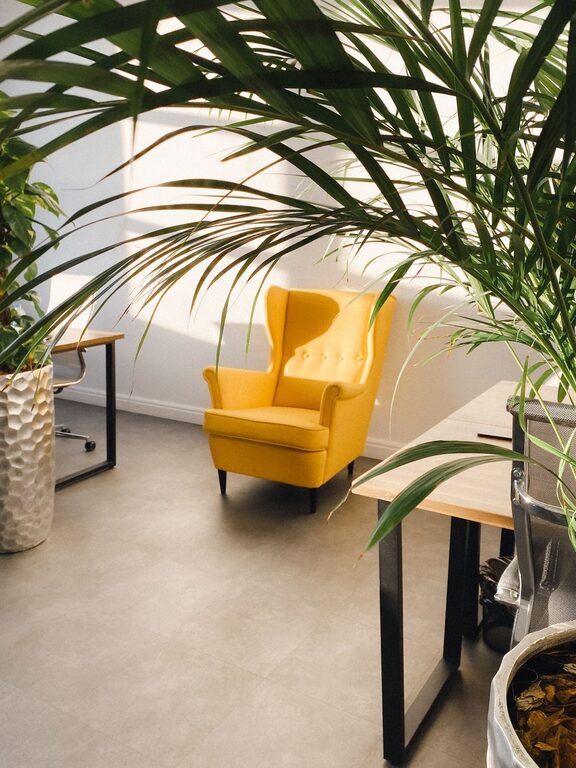
Creating a home office that feels cozy and inviting is more important than ever, especially as many people spend increasing amounts of time working from home. A well-designed workspace can improve focus, reduce stress, and make the workday more enjoyable. Whether you have a dedicated room or just a small corner, these tips will help you transform your home office into a comfortable and productive environment.
1. Choose the Right Location
Finding the perfect spot for your office is the first step. Ideally, pick a quiet area with minimal distractions and good natural light. Near a window is often the best choice, as daylight helps regulate mood and energy levels.
If you don’t have a separate room, consider using room dividers or shelving units to create a sense of separation between your work area and living spaces.
2. Invest in Comfortable and Ergonomic Furniture
Your chair and desk are the backbone of your home office comfort.
– Ergonomic chair: Select a chair that offers good lumbar support and adjustable features to fit your body perfectly. Sitting comfortably helps reduce fatigue and prevent strain.
– Desk: Choose a desk that suits your work habits. Standing desks or adjustable sit-stand options encourage movement during the day.
Don’t forget a footrest or wrist supports if needed.
3. Use Soothing Colors and Personal Touches
Colors can influence your mood and productivity. Soft, neutral colors like beige, pale blue, or light green create a calming environment. If you prefer vibrant tones, incorporate them in small accents like cushions or wall art.
Add personal touches such as photos, plants, or meaningful decor items to make the space uniquely yours. This can increase comfort and emotional connection to your workspace.
4. Optimize Lighting for Comfort and Focus
Proper lighting prevents eye strain and helps maintain energy levels.
– Natural light: Make the most of natural light by positioning your desk near windows, but avoid glare on screens.
– Task lighting: Adjustable desk lamps with warm light help focus on detailed work.
– Ambient lighting: Use soft overhead or floor lamps to create a warm atmosphere when natural light fades.
Combining different light sources creates flexibility and comfort throughout the day.
5. Keep the Space Organized and Clutter-Free
An organized workspace promotes a clear mind.
– Storage solutions: Use shelves, drawers, or file organizers to keep papers and supplies tidy.
– Cable management: Use clips or sleeves to keep cords neat and prevent tangling.
– Declutter regularly: Set aside time each week to tidy your desk and remove unnecessary items.
A clean, uncluttered desk can reduce stress and increase productivity.
6. Incorporate Plants and Natural Elements
Adding greenery brightens your space and improves air quality. Small potted plants or succulents require minimal care and add a peaceful touch. Natural elements like wooden furniture or stone accessories also enhance the cozy feel.
If you don’t have a green thumb, consider high-quality artificial plants for a similar effect.
7. Use Textiles for Warmth and Comfort
Soft textiles add warmth and invite relaxation.
– Rugs: A plush rug under your desk creates a comfortable surface and defines the space.
– Cushions: Add cushions to your chair for extra comfort.
– Throws: Keep a cozy blanket handy for chilly days.
These simple additions help to soften the room and make it feel more like home.
8. Minimize Noise and Distractions
Noise can be a major distraction, especially in busy households.
– Noise-cancelling headphones: These are helpful for blocking out background noise.
– Soft furnishings: Curtains, rugs, and upholstered chairs absorb sound.
– Sound machines: White noise machines or calming sounds can create a soothing background.
If possible, choose a quiet room away from high-traffic areas.
9. Personalize Your Workspace Technology
Your computer, keyboard, mouse, and other devices should be arranged for comfort and efficiency.
– Use a laptop stand or multiple monitors if it improves your workflow.
– Choose peripherals that feel comfortable during long use.
– Keep chargers and tech accessories within easy reach.
Adding accessories like a fun mouse pad or colorful keyboard cover can boost your mood.
10. Create Zones for Different Activities
If you have enough space, design different zones within your office for various tasks.
– Work zone: Desk and computer for focused tasks.
– Reading or brainstorming zone: A comfy chair or small sofa with good lighting.
– Storage zone: Shelves and filing for documents and supplies.
This separation can help you switch between tasks and maintain productivity.
—
Creating a cozy and inviting home office is about balancing functionality with comfort. By paying attention to location, furniture, lighting, colors, and small personal details, you can design a space that reflects your personality while supporting your work habits. Take time to arrange your office thoughtfully, and you’ll find yourself looking forward to your workday more than ever.

More Stories