


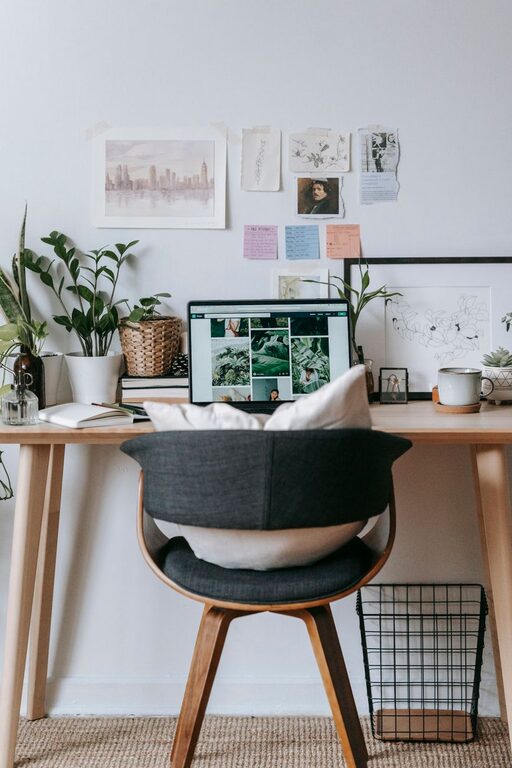
Creating a cozy and functional home office space is essential for anyone who spends a significant amount of time working from home. A well-designed workspace can boost productivity, reduce stress, and make working from home a more enjoyable experience. Whether you have a dedicated room or just a small corner in your living area, here are some practical tips to help you design the perfect home office.
Choose the Right Location
The first step in setting up your home office is selecting the best location. Ideally, this space should:
– Be quiet and away from high-traffic areas.
– Have access to natural light to keep you energized and improve mood.
– Offer enough room for your desk, chair, and essential equipment.
If space is limited, consider creative options such as a converted closet, a nook under the stairs, or a corner of your bedroom.
Invest in Comfortable and Supportive Furniture
Comfort is key to maintaining focus throughout the day. When choosing furniture:
– Select an ergonomic chair that supports your back and promotes good posture.
– Opt for a desk at the right height that allows your forearms to rest parallel to the floor.
– If possible, consider adjustable desks that let you alternate between sitting and standing.
Remember, investing in quality furniture can help prevent discomfort and long-term health issues.
Organize Your Space Efficiently
A cluttered desk can lead to a cluttered mind. To keep your workspace organized:
– Use shelves, drawers, or filing cabinets to store documents and supplies.
– Employ desk organizers for pens, paper, and electronics.
– Keep only the essentials on your desk to minimize distractions.
Labeling storage containers can also make it easier to find what you need quickly.
Optimize Lighting
Good lighting is crucial for reducing eye strain and keeping you alert. Aim to:
– Position your desk near a window to maximize natural light.
– Use a combination of overhead lights and task lighting like desk lamps.
– Choose light bulbs with a color temperature that mimics daylight (around 5000K) for clear visibility.
Avoid placing screens directly in front of bright windows to reduce glare.
Personalize Your Workspace
Adding personal touches can make your home office feel welcoming and inspiring. Consider:
– Hanging artwork or photos that motivate you.
– Adding plants to improve air quality and add a pop of color.
– Using calming colors for walls and decor, such as soft blues, greens, or neutrals.
However, try to keep decorations minimal to maintain a professional environment.
Manage Cables and Technology
Technology is central to most home offices, but cords can quickly become messy. To stay tidy:
– Use cable organizers or clips to bundle cords neatly.
– Invest in a power strip with surge protection for multiple devices.
– Keep your tech updated to avoid disruptions.
Additionally, ensure your internet connection is strong and reliable, as this is crucial for virtual meetings and research.
Incorporate Storage Solutions
Even a small office benefits from smart storage:
– Floating shelves can save floor space and keep items within reach.
– Wall-mounted pegboards or corkboards provide space for notes and tools.
– Storage bins or baskets help keep supplies out of sight but easily accessible.
Regularly declutter your space to maintain a clean and efficient environment.
Create Zones Within Your Office
If your workspace allows, designate areas for different tasks. For example:
– A primary zone with your desk and computer for focused work.
– A reading nook with a comfortable chair and good lighting.
– A meeting area with a small table for virtual or in-person discussions.
This approach helps you switch tasks efficiently and keeps your day organized.
Use Adequate Ventilation and Temperature Control
Comfort goes beyond furniture and lighting. Make sure your office:
– Has good airflow to keep the space fresh.
– Is kept at a comfortable temperature, with options for heating or cooling as needed.
A comfortable environment helps prevent fatigue and keeps you energized.
Set Boundaries and Maintain a Routine
Finally, to make the most of your home office:
– Establish boundaries with family or housemates to minimize interruptions.
– Set working hours and take regular breaks to avoid burnout.
– Use noise-cancelling headphones or white noise machines if needed.
Combining a well-designed space with clear routines fosters productivity and work-life balance.
—
Creating a cozy and functional home office doesn’t have to be complicated or expensive. With thoughtful planning and smart choices, you can build a workspace that supports your work needs and feels inviting. By focusing on comfort, organization, lighting, and personalization, you’ll enjoy a home office that helps you do your best every day.

More Stories
Simple Steps to Create a Cozy Reading Nook in Your Home
Tips for Creating a Comfortable and Productive Home Office Space
Tips for Creating a Cozy and Productive Home Office Space